How to Tell If Your Roof Needs Repair or Replacement
You noticed a brownish stain spreading across your ceiling. Or maybe it was a couple of shingles lying in the yard the morning after a windy night. Either way, you’re now standing outside, squinting up at your roof, trying to decide something that’s honestly hard to judge from the ground: is this a repair, or am I looking at a whole new roof?
It’s a fair question, and it’s one almost every homeowner ends up asking eventually. Repair sounds cheaper and less of a hassle. Replacement sounds like a big check you’d rather not write unless you truly have to. The tricky part is that roofs don’t always tell you the truth from a distance – a roof that looks “mostly fine” can be hiding rot underneath, and a roof that looks alarming might just need a few shingles swapped out.
So let’s go through it properly: the actual signs that point to repair, the signs that point to replacement, how professionals weigh the two against each other, and how long you can realistically wait before a damaged roof stops being a repair job at all.
Table of Contents
- Why This Decision Actually Matters
- Common Signs Your Roof Needs Repair
- Signs You Need a New Roof
- Roof Repair vs Roof Replacement: How to Actually Decide
- How Long Can a Damaged Roof Last Before It Needs Replacing?
- Why a Proper Roof Inspection Makes a Real Difference
- How Roofing Materials Change the Equation
- When Roof Repair Is the Better Option
- When Roof Replacement Becomes Necessary
- How to Assess Your Roof’s Condition Before Deciding
- Frequently Asked Questions
- Final Thoughts
Why This Decision Actually Matters
Your roof isn’t just there to look nice from the street. It’s genuinely the only thing standing between your family’s belongings and whatever the sky decides to throw at your house – sun, rain, hail, wind, the works. Getting this decision wrong in either direction costs you. Replace too early and you’ve spent money that wasn’t necessary yet. Patch something that really needed replacing, and you’re just kicking the can down the road while water quietly does more damage underneath.
Here’s the reassuring part, though: roofs rarely just fail out of nowhere. There’s almost always a build-up of warning signs first. Once you know what those signs actually look like, you’re in a much better position – whether you’re inspecting it yourself or trying to make sense of what a contractor is telling you.
Common Signs Your Roof Needs Repair
Let’s start with the good news. A lot of what looks scary from the ground turns out to be a fairly contained fix. Here’s what usually falls into that camp.
Missing, Cracked, or Curling Shingles
Lost a handful of shingles in a storm? Noticed a few starting to curl up at the edges? On their own, these usually mean isolated wear, not a roof-wide crisis. Cracking tends to come from age and constant sun exposure, while curling and buckling shingles often signal a ventilation problem, or simply that one batch of shingles is aging faster than the rest. As long as the surrounding roof still looks solid, swapping out the affected shingles is typically all that’s needed.
A Leak You Can Actually Trace
Not every leak spells disaster. If there’s one clear source – say, a cracked seal around a vent pipe, or a nail that’s backed out over time – that’s usually a straightforward, contained repair. The word that matters here is “traceable.” If a roofer can point to exactly where the water’s coming in, and everything around it is still structurally sound, repair is almost always the right move.
Granule Loss in a Few Spots
Asphalt shingles naturally shed granules as they age, so finding some in your gutter isn’t cause for panic on its own. What you actually want to watch for is bald, worn patches on the shingles themselves – that’s where UV protection has worn off, and it’s worth addressing before that section breaks down further.
Damaged Flashing
Flashing is the metal strip sealing joints around chimneys, skylights, and roof valleys, and honestly, it’s one of the most common weak points even on an otherwise healthy roof. A cracked or lifted piece of flashing is almost always fixable on its own – it doesn’t mean the roof underneath is failing.
Signs You Need a New Roof
Now for the flip side – the signs that usually mean patching isn’t going to cut it anymore.
Your Roof Is Nearing (or Past) Its Expected Lifespan
Age matters more than people expect. Asphalt shingle roofs generally last around 20–25 years, and once you’re in that range, repeated small repairs start to feel like putting new tires on a car that’s already given up elsewhere. If the roof is that old, chances are the materials across the whole surface are wearing out at roughly the same pace – fixing one section doesn’t mean the next one isn’t right behind it.
A Sagging Roofline
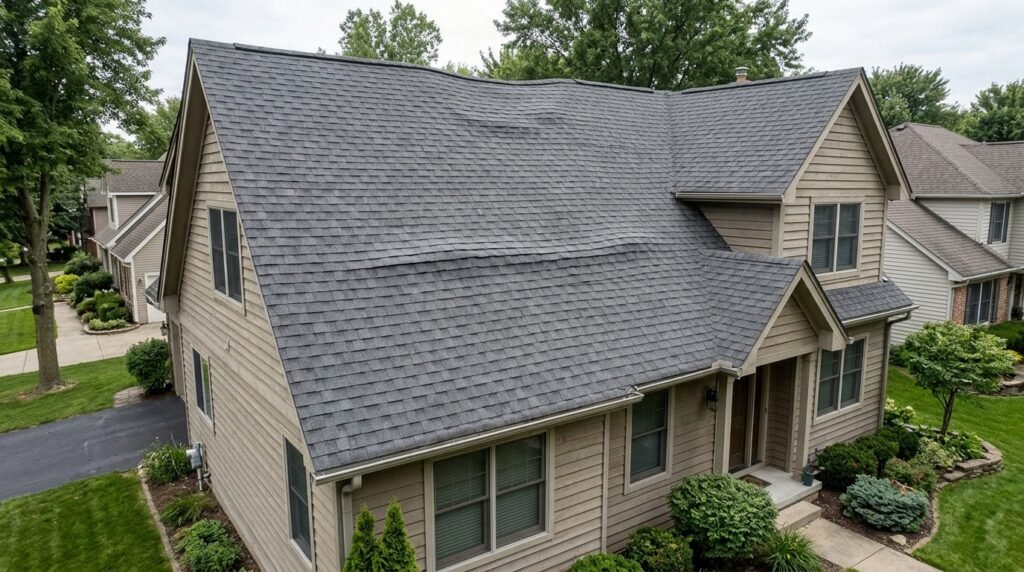
This one’s serious, and repair alone won’t fix it. A visible sag almost always means the decking underneath has started rotting, usually from moisture that’s been sitting there far longer than anyone realized. That’s a structural problem, not a surface one, and it’s one of the clearest signs that replacement is what the roof genuinely needs.
Storm Damage Across a Large Area
Sometimes a single bad storm does enough damage that fixing it section by section stops making sense – financially or practically. If hail, wind, or debris has torn up a large chunk of the roof’s surface, most contractors will tell you straight up: replacement is going to serve you better than a patchwork of repairs that might not survive the next storm anyway.
Leaks Showing Up in More Than One Place
One leak, one spot – that’s a repair. But leaks appearing in different rooms, especially after you’ve already had work done, usually mean the problem has spread underneath the surface, into the underlayment and decking, well beyond what’s visible from up top.
Mold, Musty Smells, or Persistent Attic Moisture
If your attic has that damp, musty smell, or you’re seeing mold creeping along the rafters, water has likely been getting in for a while – even without an obvious leak to point to. By the time mold shows up, it usually means insulation, framing, and ventilation have all been dealing with moisture for longer than you’d like, and that combination tends to tip the scale toward replacement.
Roof Repair vs Roof Replacement: How to Actually Decide
Once you know what’s actually wrong, the decision generally comes down to three things: how much of the roof is affected, how old it already is, and how the repair bill stacks up against a full replacement.
How Much of the Roof Is Affected
Roofers often work off a rough guideline: if damage covers less than about 30% of the roof and everything else is holding up fine, repair is usually worth it. Cross that line – especially on an older roof – and replacement starts to make a lot more sense long-term.
What the Numbers Actually Look Like
If a repair quote is creeping toward half the cost of a full replacement, and the roof is already older or has a track record of problems, it’s often smarter to just put that money toward the new roof rather than buying yourself a few more uncertain years. On a younger roof with one isolated issue, though, repair is almost always the cheaper, more sensible route.
Age Versus Remaining Lifespan
Picture two roofs with identical storm damage – one is 5 years old, the other is 22. The younger roof clearly has plenty of life left, so repairing it is a no-brainer. The older one is already near the end of its run, so replacement often ends up being the smarter call, even though the damage looks the same on paper.
How Long Can a Damaged Roof Last Before It Needs Replacing?
Honestly, it depends a lot on what kind of damage you’re dealing with. A roof with a few missing shingles that gets repaired promptly can go on for years without further trouble. But a roof with an unaddressed leak, sagging, or lingering moisture problems can go downhill fast – sometimes in a single rainy season – because water damage tends to snowball rather than stay put. Once moisture works its way into the deck and framing, rot spreads, and a problem that could’ve been a quick fix turns into a structural one. If any of the more serious signs above sound familiar, it’s worth getting a proper inspection sooner rather than later. Waiting rarely makes things cheaper.
Why a Proper Roof Inspection Makes a Real Difference
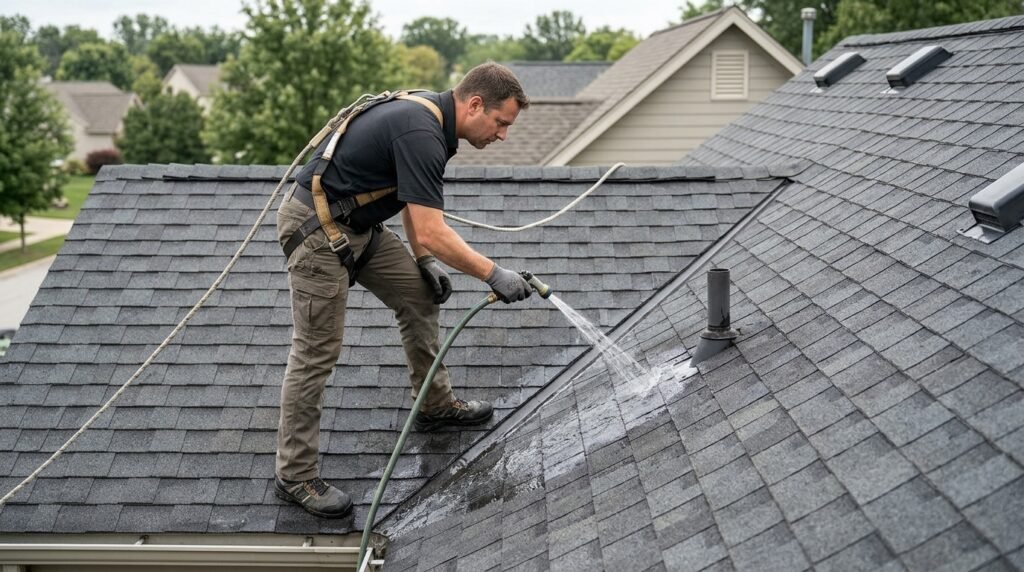
Here’s the honest truth: a lot of these signs look similar from the ground, and even a fairly hands-on homeowner can misjudge how bad the damage really is. Missing shingles, sure, anyone can spot those. A rotting deck hiding under shingles that still look fine? Not so much. That’s really where a proper inspection earns its keep – someone who actually knows what they’re looking at can check the flashing, the decking, attic ventilation, and overall condition, and give you a straight answer instead of a guess.
If you’re in Islamabad or Rawalpindi and genuinely can’t tell which category your roof falls into, booking a roof inspection with AurexCity is a reasonable next step before you spend money in the wrong direction. Getting an honest read upfront usually saves more than it costs.
How Roofing Materials Change the Equation
The material your roof is made of affects how this whole decision plays out. Asphalt shingles are the most common, and generally the easiest and cheapest to repair section by section. Metal roofing tends to last considerably longer and shrugs off storm damage better, though blending in a repair so it doesn’t stand out can be trickier. Tile roofing holds up well against weather, but individual tiles crack and need to be replaced carefully so you don’t disturb the membrane or underlayment beneath them. Flat roofs age differently again – they usually show wear through membrane cracking or pooling water rather than the shingle problems you’d see on a pitched roof. Knowing what’s actually on your roof helps set realistic expectations for whether a repair is a genuine long-term fix or just buying time.
When Roof Repair Is the Better Option
- The roof is less than 10–15 years old
- Damage is limited to one small, specific area
- There’s no sagging or sign of a rotting deck
- The underlayment and structure underneath are still sound
- The attic is dry, with no ongoing moisture or mold
When Roof Replacement Becomes Necessary
- The roof is near or past its expected lifespan
- Damage is spread across a large chunk of the surface
- There’s visible sagging, pointing to structural decking damage
- You’ve had several repairs already, and new problems keep popping up
- Mold or persistent attic moisture is present
- The repair cost is getting close to what replacement would run you
How to Assess Your Roof’s Condition Before Deciding
Rather than reacting to the first problem you notice, it helps to work through the roof more methodically:
- Check the roof’s age against the typical lifespan for its material.
- Walk the perimeter of the house looking for missing, cracked, curling, or buckling shingles.
- Head up to the attic and check for water stains, daylight through the decking, or a musty smell.
- Inspect the flashing around chimneys, vents, and skylights for gaps or rust.
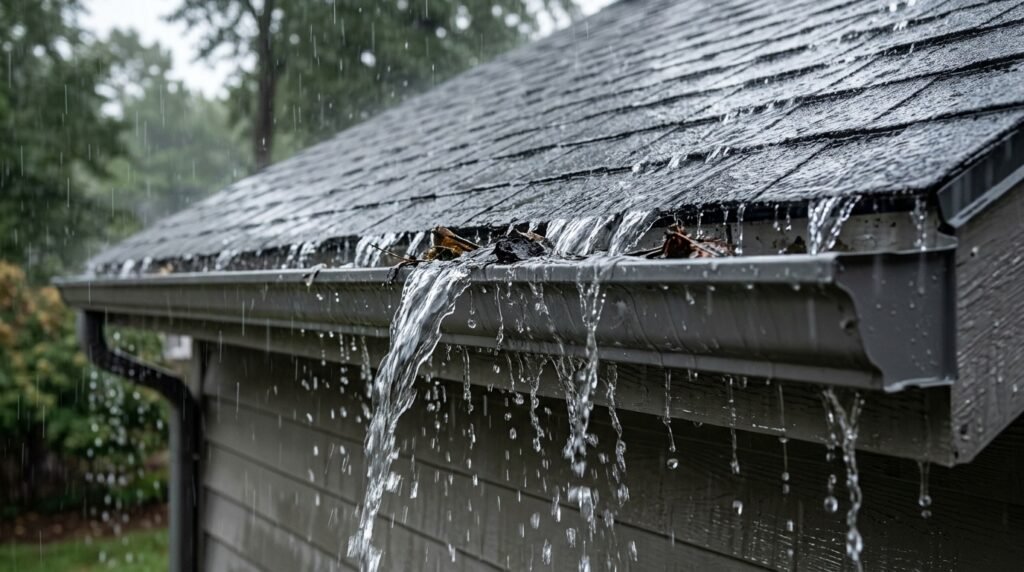
- Glance in the gutters for heavier-than-usual granule buildup.
- Step back and look at the roofline from a distance for any sagging.
- Think back over your repair history – recurring issues in different spots is a red flag worth taking seriously.
- Bring in a professional before committing either way, especially if the decision involves real money.
For general guidance on roofing standards, the National Roofing Contractors Association is a solid, independent resource worth a look. If storm damage is part of your situation, the Insurance Information Institute has useful pointers on documenting damage for a claim, and if attic mold is what’s worrying you, the EPA’s mold guidance is a good place to start before assuming the worst.
Frequently Asked Questions
1. How do I know if my roof needs repair or replacement?
It comes down to how much of the roof is affected and how old it is. Small, isolated damage on a roof under 15 years old is usually repairable. Widespread damage, sagging, or a roof already near the end of its life tends to point toward replacement. A professional inspection is still the most reliable way to know for sure.
2. Can a leaking roof always be repaired instead of replaced?
Not always, no. A single leak with a clear, traceable source is often a quick, contained repair. But once leaks start showing up in more than one place, or the deck underneath has begun to rot, patching the surface won’t solve the actual problem – that’s usually when replacement becomes the more reliable option.
3. How long can a damaged roof last before it needs replacing?
That really depends on the type of damage. Minor issues, repaired promptly, can add years to a roof’s life without much trouble. But once water reaches the decking or framing, things can go downhill quickly – sometimes within a single rainy season – so it’s not something worth putting off once serious signs show up.
4. Is replacement always more expensive than repair in the long run?
Not necessarily. A single repair is cheaper in the moment, sure. But an old roof needing repeated repairs can rack up a combined cost that rivals a replacement anyway, while still leaving you with an aging roof that’s likely to fail again soon after.
5. How much roof damage is considered too much to repair?
There’s no exact cutoff, but a lot of roofers use roughly 30% of the roof’s surface as a rough guideline. Under that, with a structurally sound roof beneath, repair usually makes sense. Beyond that – or on a roof that’s already old – replacement tends to be the more practical long-term choice.
Final Thoughts
At the end of the day, figuring out how to tell if your roof needs repair or replacement comes down to three simple questions: how bad is the damage, how old is the roof, and does fixing it actually cost close to what a new roof would? Small, contained issues on a roof with years of life left are almost always worth repairing. Widespread damage, sagging, repeated leaks, or a roof that’s already old enough to be nearing retirement usually points the other way.
And if you’re still not sure after all of this, that’s completely normal – it’s genuinely not always a clean-cut call, and it’s easy to misjudge from the ground. Our blog has more roofing guides on maintenance schedules and material comparisons if you’d like to dig deeper, or you can read more about how we approach every job on our about us page. And if you’d rather just get a straight, honest answer about your specific roof, AurexCity offers roof inspections across Islamabad and Rawalpindi – no upselling, just an accurate read on where things actually stand.